- 1065, Bhudev Mukherjee Road Barabazar, Chandannagar, Hooghly West Bengal , India, Pin : 712136
- Privacy Policy
- Terms & Condition

In the life sciences, the distance between an experimental hypothesis and a breakthrough discovery is measured in steps. Whether a lab is tracking cellular signaling pathways, validating monoclonal antibodies, or cultivating stem cells, daily success hinges on predictability.
Yet, many scientists spend a disproportionate amount of time fighting minor systemic friction—searching for misplaced reagents, dealing with uneven well-plate results, or tracking down backordered plasticware. For any modern life science laboratory India hosts, establishing a seamless, highly productive research environment requires a deliberate pivot toward comprehensive laboratory workflow optimization.
A workflow is more than a protocol; it is an interdependent ecosystem. Inefficiencies rarely stem from a lack of scientific intellect—they crawl in through repetitive, manual tasks and unstandardized pipelines.
Optimization means analyzing this pipeline to eliminate hidden failure points:
Optimizing a workflow means ensuring every phase feeds into the next cleanly. When standardizing cell culture and subsequent processing, precision logistics are vital:
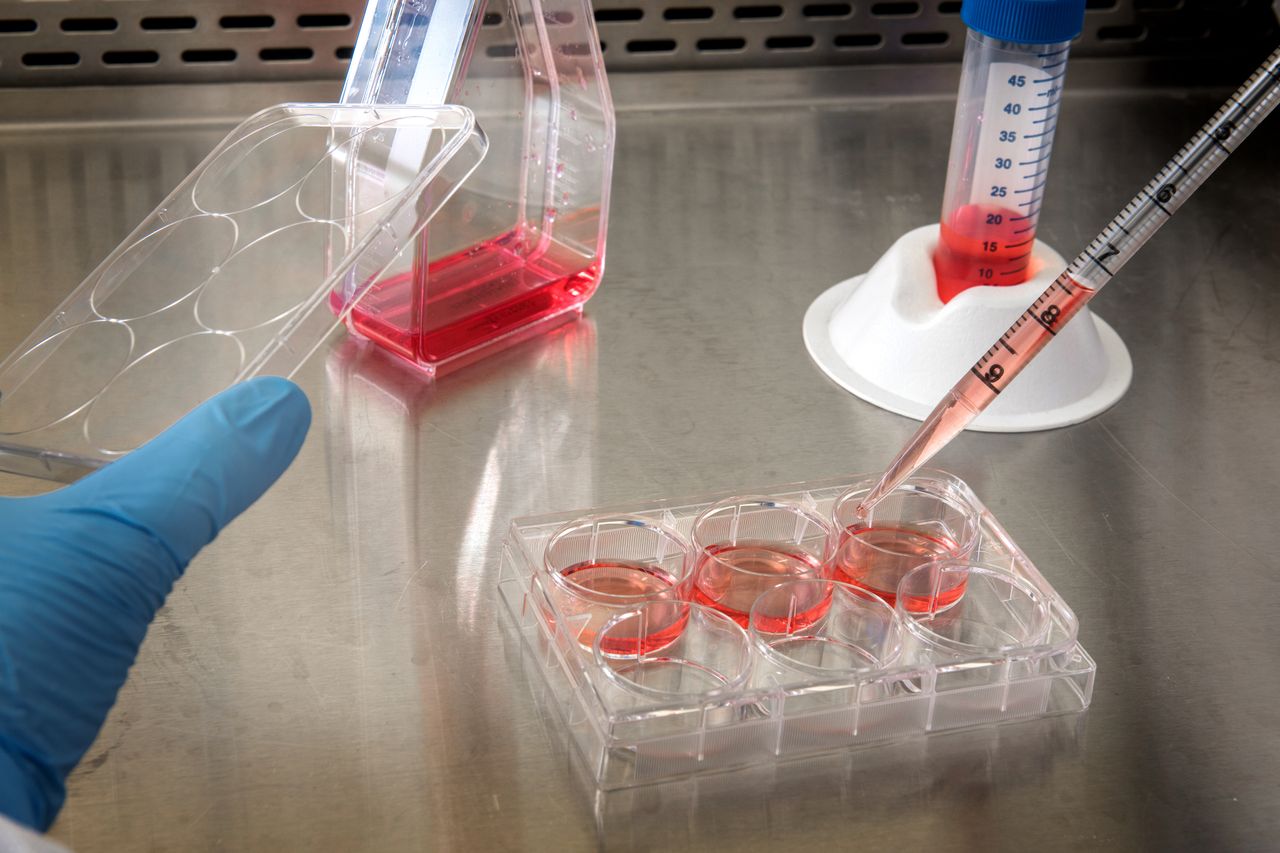
Batch-to-batch consistency is the bedrock of reproducibility. Transitioning from traditional culture vessels to automated, automation-compatible microplates or specialized bioreactor flasks minimizes hand-to-plate handling variations.
The Edge Effect Solution: In cell-based assays, evaporation in the outer perimeter of 96-well plates frequently leads to skewed data. Utilizing liquid-handling robotics or specialized perimeter-buffered plates eliminates this physical variance, stabilizing cellular growth across the entire surface area.
Once cultures are harvested, sample preparation must match automated downstream diagnostic tools (like automated flow cytometers or high-content imaging platforms). Standard operating procedures (SOPs) should utilize barcode tracking and integrated laboratory information management systems (LIMS) to ensure that sample data is auto-logged, bypassing manual, error-prone data entry.
Even the most advanced, automated laboratory setup will collapse without a reliable pipeline of basic components. Within the domestic ecosystem, securing a reliable flow of premium research consumables India logistics can openly handle is often the deciding factor in maintaining continuous clinical operations.
High import duties, custom clearances, and cold-chain disruptions for delicate reagents create distinct operational challenges for local hubs. Laboratories can safeguard their productivity by implementing three distinct sourcing strategies:
| Strategy | Operational Benefit | Implementation Method |
| Inventory Centralization | Prevents panic-buying and stockouts of daily essentials (pipette tips, cell culture media, cryovials). | Deploying cloud-based inventory trackers linked to digital barcodes on the storage room floor. |
| Vendor Consolidation | Reduces administrative overhead, shipping delays, and item variances. | Partnering with verified, full-suite domestic distributors who bundle high-purity reagents with certified plasticware. |
| Cold-Chain Redundancy | Prevents the structural degradation of expensive enzymes, antibodies, and growth factors. | Validating local suppliers who provide end-to-end, actively monitored temperature tracking from the warehouse to your lab freezer. |
As the industry advances, true optimization requires adopting digital infrastructure. Incorporating smart, connected instruments and automation-compatible consumables allows modern laboratories to execute high-throughput screening smoothly, free from manual bottlenecks.
By prioritizing structural fluid dynamics, minimizing human touching points during delicate incubation phases, and stabilizing the supply line of everyday consumables, research facilities transform from unpredictable testing environments into highly efficient, high-output discovery engines.